

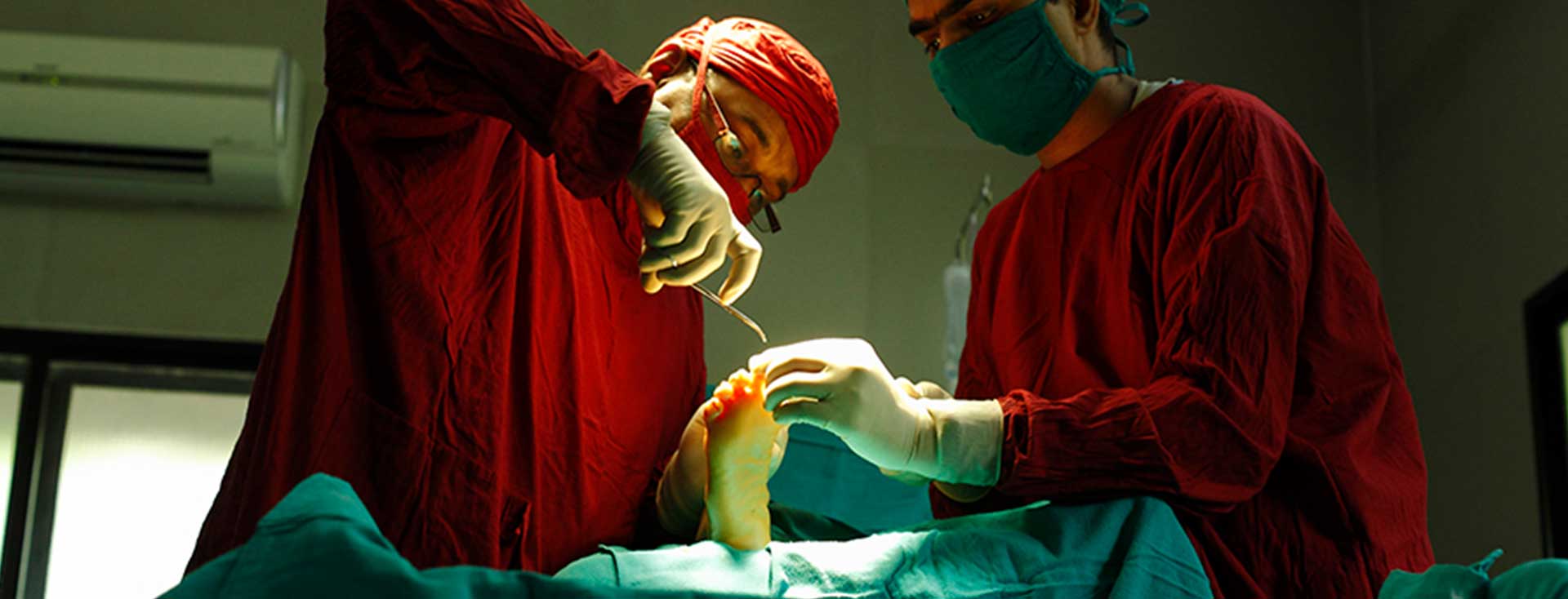
The Leprosy Mission Trust India
The Leprosy Mission was founded in 1874 as ‘The Mission to Lepers’ by an Irishman named Wellesley Cosby Bailey, in Ambala, India. Subsequently in 1973, The Leprosy Mission Trust India (TLMTI) was registered as a Society under the Societies Registration Act of 1860. TLMTI is the largest leprosy-focused non-governmental organisation in India and is headquartered in New Delhi, India. The organisation works with people affected by leprosy and other neglected tropical diseases (NTDs), people with disabilities, and marginalised communities, especially women.
TLMTI has a diverse set of programmes – Healthcare, Sustainable Livelihood, Community Empowerment, Advocacy, and Research and Training. These programmes are implemented through 16 hospitals, six vocational training centres, four residential care homes for elderly persons affected by leprosy, nine community empowerment projects, and a research laboratory, spread across 9 states of India – Andhra Pradesh, Bihar, Chhattisgarh, Delhi, Karnataka, Maharashtra, Tamil Nadu, Uttar Pradesh, and West Bengal.
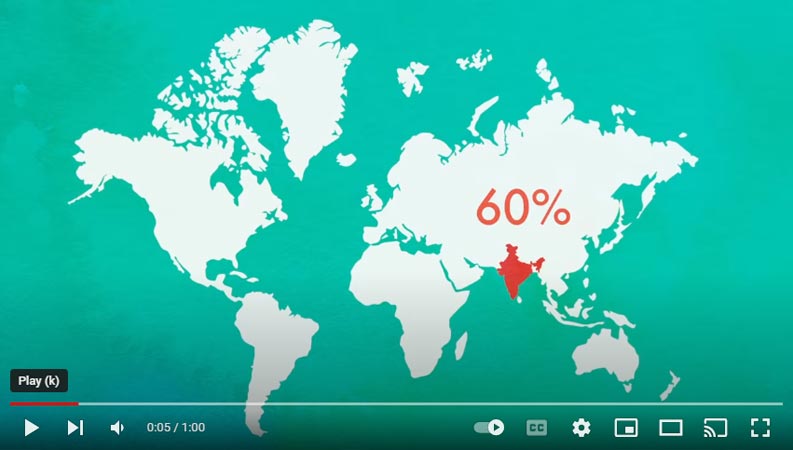
Our Programmes


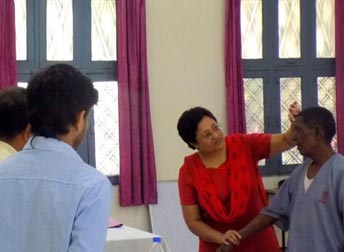

Testimonials

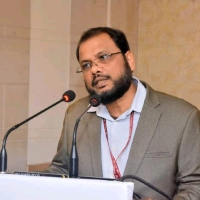



Stories of Change

A change leader in her own rights
Yogita is a resident of Amoda village in Nawagarh Block of Chhattisgarh and a mother of three children.[...]
Read More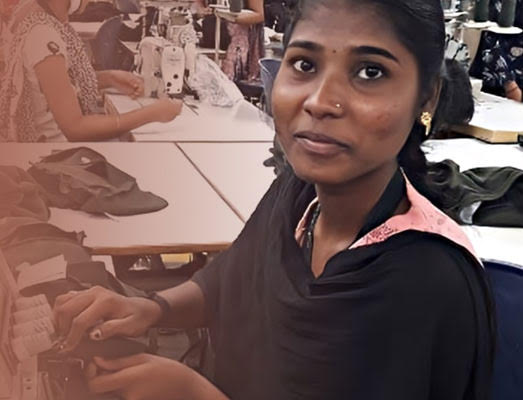
From destitution to a life full of purpose and hope
How does one make a difference in the life of an individual who is burdened by destitution and[...]
Read More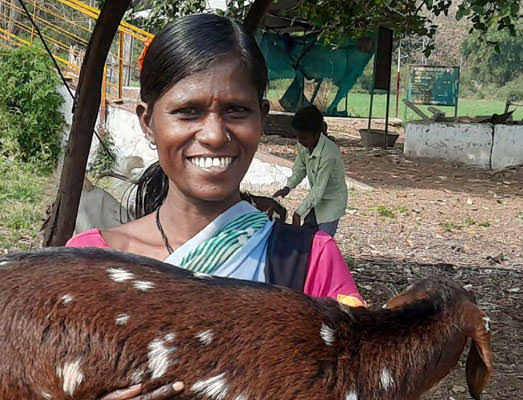
Stitching her dreams, one thread at a time
No matter how difficult the present is and how demoralised you feel about circumstances around you, you can[...]
Read MoreBe a change maker
All donations are tax-exempted under section 80G of the Income Tax Act, 1961. You can contribute to any of our donation options below: