
Research

Role of Research in Leprosy

Leprosy has existed for thousands of years but still there is  much about this  disease that we do not know. There are still questions about modes of transmission, reservoirs of infection, lepra reactions and effective therapy for  preventing  permanent nerve damage. There are no known ways of prevention and an effective vaccine has not yet been developed.

Since the Government of India’s declaration that leprosy has been eliminated  (new infections below 1/10,000 people) in 2005,  there is limited interest  in leprosy research  in the general medical fraternity.  We are seeking to address the need for research in different aspects of leprosy, from basic sciences such as immunology and genetics and clinical research to the social aspects of leprosy including stigma and discrimination.

What Research means to us

In TLMTI research is a cross cutting issue, being carried out at the central level as well as in  the field,  through it’s hospitals and projects. The Research Resource centre and  the Stanley Browne Research Laboratory have a small group of core staff dedicated to research, while field staff engage in research as part of their routine work.

Areas of focus

Early detection :

•    Methods to encourage Early Detection  / reporting
•    Development of immune and  molecular diagnostic tools

Chemotherapy
•    Methods to improve adherence /prevent defaulting
•    U-MDT and new regimens
•    Alternative  drugs for treatment of lepra reactions

NFI and Reactions
•    Understanding nerve function impairment
•    Optimal  steroids regimens for management of Nerve Function Impairment

Prevention of Disability
•    Novel treatments for plantar ulcers

Community Based Rehabilitation
•    Increase CBR participation Test CBR guidelines

Stigma Reduction and Advocacy
•    Implementation of proven interventions
•    Test interventions to reduce stigma

Health/Social Care  Integration
•    Ways to facilitate  Integration with Primary Care,
•    Urban Leprosy  


Current research in TLMTI

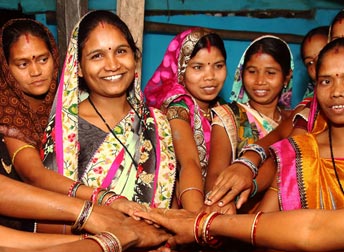
This includes  operational studies in the field, working with communities, and general health care providers to improve early detection and  adherence to treatment.

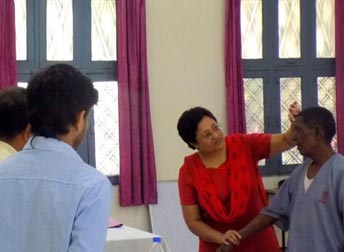
Social science research in communities addresses the issues of stigma,  gender issues  etc. Research being carried out in hospitals is concerned with early detection of neuritis and how to prevent disabilities, effective ways to manage ulcers and disintegrating feet, reconstructive surgery techniques etc. A list of our Current Research Projects can be found here.

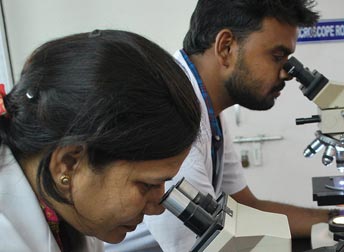
The Stanley Browne Laboratory is situated in the premises of the TLM Community Hospital , in Shahadara, New Delhi, to facilitate collaboration between clinical and laboratory  aspects . The laboratory is named after the pioneering researcher Dr Stanley Browne who conducted extensive research on leprosy including creating the MDT treatment and was a medical consultant with The Leprosy Mission from 1966-1978.  


The main focus in the laboratory  is on basic issues  such as :
•    How leprosy is transmitted (particularly transfer through the environment e.g. soil, water),
•    Development of  tools for early detection of leprosy and reactions
•    Which types of people are particularly susceptible to leprosy,
•    Drug resistance studies  

Research Publications

Our research publications can be found here.


Stay Connected

Some Achievements in 2011


20,879 people were surveyed for leprosy and 2,024 new cases of leprosy were found in an urban slum West Bengal.

15,000 school children were sensitised on leprosy during a study on methods to encourage early voluntary reporting of leprosy.

140 soil samples and 76 water samples were collected to explore the transfer of leprosy through environment.

Award for Best Publication in Leprosy in a peer reviewed journal by the Acworth Leprosy Hospital Society for Research, Rehabilitation and Education in Leprosy (2011).

1st prize was awarded to two members of staff at a conference on ‘Advances in Molecular Techniques and their Application in Health and Diseases’ by the Indian Academy of Science and Nature for best research paper and research poster.

4 research papers were published on the sustainability of integrated leprosy services in rural India, Leprosy among tribal population of Chhattisgarh, Public awareness on integration of leprosy services in primary health centers and Analysis of antibody and cytokine markers for leprosy nerve damage