Awareness and Advocacy

Awareness and understanding of leprosy is often limited among communities, medical practitioners, government workers and local NGOs.  Lack of understanding means medical practitioners misdiagnose leprosy or provide incorrect treatment.  People affected by leprosy are often unaware that leprosy is treatable or how to access treatment.  Communities retain stigma against people affected by leprosy which is reinforced through 15 laws with discriminatory provisions including prohibiting people affected by leprosy from contesting in local level elections, obtaining a driving license and travelling in trains and allowing the disease as grounds for divorce.  Leprosy is not seen as a priority issue by the Government, since it was declared eliminated in 2005, and people affected by leprosy are not aware of their rights and entitlements and do not have a united voice to advocate for change.

Increasing Awareness, Understanding and Action

Awareness and understanding are the first steps toward taking action to tackle leprosy.  Our Media Centre, built with support from the Diana Princess of Wales Foundation, produces posters, booklets, a monthly magazine, docudramas, documentaries, radio programmes, jingles, public interest radio adverts and folk songs to raise awareness about the symptoms and treatment of leprosy and other diseases including malaria, tuberculosis, cancer and HIV/AIDS.  Our media centre also organises sensitization workshops, awareness events, press conferences and campaigns to sensitise local health workers, government staff and community leaders on leprosy and the rights and entitlements of people affected by leprosy.  

Building Networks and Challenging Discriminatory Laws

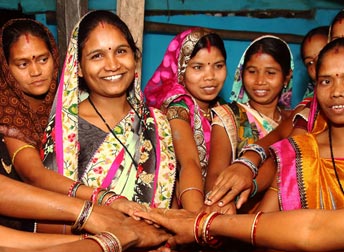
Empowering people affected by leprosy to take collective action to challenge negative attitudes and legislation which discriminates against them is vital to reduce stigma and protect their rights in the long term.  We are forming networks of people affected by leprosy to advocate at the national, state and district level for the repeal of discriminatory laws and, until these laws are repealed, that discriminatory laws are not used.  At the community level we are raising awareness about the rights and entitlements of people affected by leprosy and training grassroots organizations on leprosy, stigma reduction strategies, discriminatory legislations, human rights and advocacy. We are also mobilising children to form peer groups and marginalised communities to form self help groups to raise awareness and reduce stigma towards leprosy, tuberculosis and HIV/AIDS.  


Stay Connected

Some Key Achievements for 2011


73,058 school children were sensitised on issues facing children with leprosy to reduce stigma and discrimination.


10,172 people affected by leprosy were involved in advocacy networks.


1,537 people affected by leprosy and people with general disabilities benefited by having train and bus concessional passes.


119 people with disabilities were issued disability certificates and availed their pension benefits.


67 NGO heads, staffs and volunteers were oriented on leprosy related human rights issues and advocacy.


50 students in the British School (New Delhi) attended a three day workshop on using media and communications to advocate for social change and practical film, radio and photography skills.


15 radio adverts and 2 TV adverts were created discussing leprosy diagnosis and treatment, leprosy issues and disability awareness.


10 new radio jingles and 15 new episodes of radio dramas on leprosy and disability awareness were created on leprosy diagnosis and treatment.


7 short story videos and 1 documentary were created about people who have benefitted from TLMs interventions.


4 Press conferences were held in Uttar Pradesh and Chhattisgarh on leprosy issues.